
Post-construction
Rough Clean, Final Clean and Touch-Up: The Three Phases of a Construction Clean
 Saida Reyes, owner, Texas Kings Cleaning Services··7 min read
In short
A construction clean is usually done in three phases. The rough clean clears debris and heavy dust during the build, after drywall and before finishes. The final clean is the detailed top-to-bottom clean once trades finish. The touch-up is a last pass before the owner moves in or the buyer walks through. Texas Kings Cleaning Services does builder cleans in Frisco, McKinney, Wylie and nearby cities.
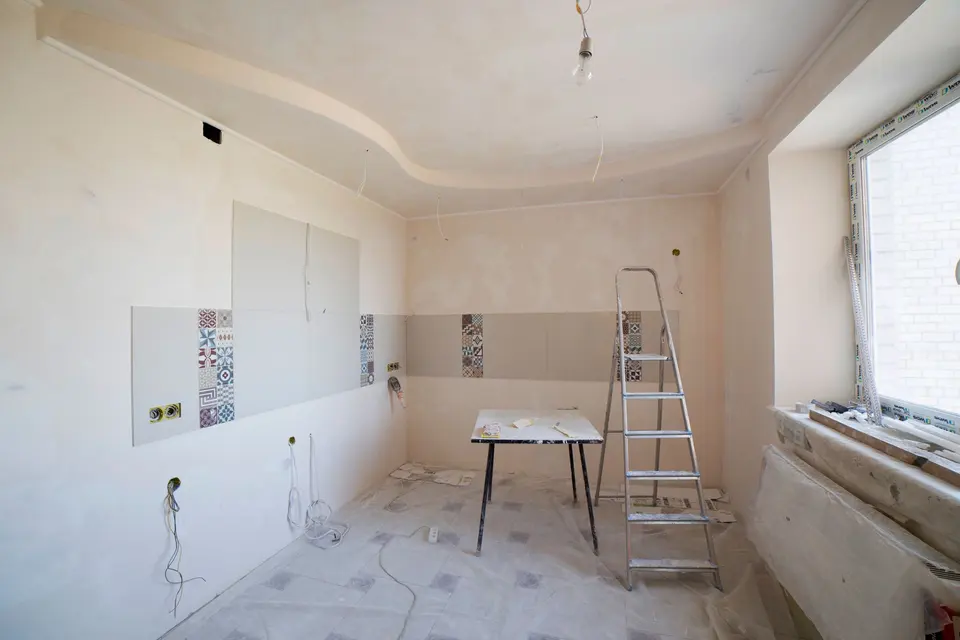
A new house goes through a lot of hands before anyone moves in: framers, drywall crews, painters, tile setters, cabinet installers, electricians, plumbers and flooring crews. Each one leaves dust and debris behind, and some come back more than once. Trying to clean all of that in a single visit at the end rarely works.
That is why construction cleaning is usually split into three phases: the rough clean, the final clean and the touch-up. This guide explains what each phase covers, when it happens, who usually books it, and how builders, contractors and homeowners in Frisco, McKinney, Wylie and the rest of the area can plan them so the house is truly ready on handover day.
Why construction cleaning is done in phases
Construction dust does not settle once. It is created at every stage, stirred up by every trade that follows, and pulled through the home whenever the air conditioning runs. A clean done too early gets covered again. A clean done only at the very end has to fight weeks of layered dust and debris, sometimes on surfaces that should have been protected along the way.
Splitting the work into phases matches the cleaning to the build. Each phase has a different goal:
| Phase | When it happens | Main goal | Typical focus |
|---|---|---|---|
| Rough clean | During construction, after the messiest stages | Clear debris and heavy dust so trades can work | Floors swept, debris bagged, dust off sills and ledges, tubs and boxes cleared |
| Final clean | After all trades finish | Bring the home to move-in condition | Top to bottom, inside cabinets and appliances, fixtures, glass, stickers and film, floors |
| Touch-up | Right before move-in or the final walk-through | Catch what settled or happened since the final clean | Floors, sills, counters, fingerprints, marks from punch-list work |
For a broader look at what post-construction work involves, see our guide on what post-construction cleaning includes.
Phase 1: the rough clean
The rough clean happens while construction is still underway, most often after drywall is hung, taped and sanded, and before cabinets, counters, trim, paint and flooring go in. Some builders schedule a second rough clean after paint and before flooring.
What a rough clean usually covers
- Sweeping and clearing floors of drywall dust, mud, scraps and small debris
- Bagging small debris and packaging so it can be hauled away
- Removing heavy dust from window sills, ledges and framing where finishes will go
- Clearing out tubs, shower pans and boxes left in rooms
- Vacuuming dust from areas that will be closed in by cabinets or trim
Why it matters
Finishes applied over dust do not look right. Paint can pick up grit, and dust trapped behind cabinets and trim works its way out for months. A rough clean also makes the site safer and easier for the next trades to work in. It is not meant to make the home look finished, and nobody should judge it that way.
Rough clean vs. daily site cleanup
Many crews sweep up and remove their own scraps at the end of each day, and good builders expect it. That daily cleanup is not a rough clean. It keeps the site workable, but it does not remove the layer of fine dust on sills, ledges and inside wall cavities that are about to be closed in. The rough clean is a dedicated visit timed to a stage of the build, with the goal of giving the finish trades a clean starting point.
Phase 2: the final clean
The final clean is the main event. It happens once every trade is finished, and it is the clean that turns a job site into a home.
What a final clean usually covers
- Dust removed from ceilings, walls, corners and the tops of door frames
- Light fixtures, ceiling fans, recessed trims, vent covers and returns
- Windows, sills, tracks and frames, with stickers and protective film removed
- Inside and outside of all cabinets, drawers and closets
- Countertops, backsplash and sinks, with grout haze and adhesive removed where safe for the surface
- Appliances inside and out, with film and stickers removed
- Bathrooms in full: tubs, showers, glass, toilets, vanities, mirrors, tile and grout
- Baseboards, trim, doors, door hardware, switches and outlet covers
- Floors vacuumed and mopped, edges and corners detailed
New finishes need care. Fresh paint, quartz and stone counters, new hardwood or luxury vinyl and new stainless steel can be scratched or etched by the wrong product. A good final clean uses products and pads matched to each surface.
How to check a final clean
Walk the home after the final clean with the cleaner or with your own list. Look at the places that are easy to miss: the tops of door frames and cabinets, inside drawers, window tracks, the corners of shower glass, the edges of floors along baseboards, and light fixtures. Turn on the lights in each room, because dust and streaks show up under them. Run a hand along a few shelves. Anything that needs another pass is easiest to handle while the cleaner is still on site, and anything that comes up later belongs on the touch-up list.
Phase 3: the touch-up
The touch-up is the last pass, scheduled as close as possible to move-in, closing or the buyer's final walk-through.
What a touch-up usually covers
- Floors vacuumed and mopped again
- Dust that settled on sills, ledges, counters and shelves since the final clean
- Fingerprints on glass, stainless steel and doors
- Marks or dust from punch-list repairs, fixture swaps or paint touch-ups
- A last check of bathrooms and the kitchen
It is a short visit compared with the final clean, but it is the one the buyer or owner sees. On a new home that sat for a week or two after the final clean, especially through a dusty North Texas summer or a spring pollen season, it makes a visible difference.
Builder cleans for new homes in Frisco, McKinney and Wylie
New-build neighborhoods across Frisco, McKinney and Allen and Wylie, Sachse and Murphy mean a steady stream of homes moving from framing to closing. In active subdivisions, construction on neighboring lots keeps dust in the air long after a home's own trades are gone. A home that passed its final clean can collect a film of dust before the buyer arrives, simply from the lots around it.
That makes the touch-up especially useful in growing neighborhoods. It also makes timing worth discussing with the builder or superintendent, so the final clean is not done while the busiest work next door is still happening.
How to schedule the three phases
The phases follow the build, not a fixed calendar. A simple way to plan them:
- Share the construction schedule. Give the cleaner the expected dates for drywall, paint, cabinets, flooring and completion.
- Set the rough clean after drywall sanding. Add a second rough clean after paint if flooring is going in later.
- Set the final clean after the last trade. Confirm that flooring, fixtures, hardware and appliance installs are complete.
- Make sure utilities are on. Water and electricity are needed for the final clean and the touch-up.
- Change or plan to change the air filter. It collects construction dust and will spread it again if left in place.
- Book the touch-up for move-in or walk-through. As close to the date as the schedule allows.
- Agree on who books and approves each phase. Builder, contractor or homeowner.
For homeowners coming back into a lived-in home after a remodel, rather than a new build, the same idea applies on a smaller scale. Our guide to cleaning after a home remodel covers that version.
Who does rough clean and final clean for new construction in Frisco?
Texas Kings Cleaning Services is based in Garland and offers post-construction cleaning for dust and debris after a remodel or new build, across Frisco, McKinney, Allen, Prosper, Wylie, Plano and the rest of the Dallas area. Saida Reyes, the owner, sets the scope, the schedule and the price for each job herself, after learning the size of the space, its condition and what the project needs. We use commercial-grade tools and cleaning agents, and we guarantee the quality of our work.
Builders and contractors comparing crews should ask whether the cleaner handles all three phases or only the final clean, how they schedule around trades, how they protect new finishes, and whether they carry liability insurance. Our guide to how contractors choose a final-clean crew lists the rest. For commercial projects, see commercial build-out cleaning, and for property managers turning renovated units, read the apartment make-ready cleaning guide.
Plan the phases with your build
A construction clean split into rough, final and touch-up phases keeps every stage cleaner and puts a home in front of its owner looking the way it should. To plan the cleaning for a new build or remodel in Frisco, McKinney, Wylie or nearby, call Saida at 214-586-2075 or request a quote with your build schedule and handover date. Our hours are Monday to Friday, 8:30 am to 7:00 pm, and Saturday, 8:30 am to 2:00 pm.
Questions people ask next
Does every project need all three phases?
No. A small remodel, like a single bathroom, may only need a final clean. New homes and large remodels usually benefit from all three, because trades come and go over weeks and dust keeps settling. The right plan depends on the size of the project and how many times the space will be disturbed after the main work is done.
Who usually books the rough clean, the builder or the owner?
On new homes, the builder or general contractor usually books the rough and final cleans as part of the build schedule. The touch-up may be booked by the builder before closing, or by the buyer before moving in. On remodels, the homeowner often books the final clean directly. Agree on who books each phase early so none of them is skipped.
How far apart should the phases be scheduled?
They follow the construction schedule, not the calendar. The rough clean comes after the messiest stages, usually drywall. The final clean comes once every trade is done. The touch-up comes as close as possible to move-in or the final walk-through. Share the build schedule with the cleaner so visits can be set around it.
What if a trade comes back after the final clean?
It happens often: a punch-list fix, a fixture swap, a paint touch-up. Any of these can leave dust or marks behind. That is exactly what the touch-up phase is for. If a big repair happens after the final clean, tell your cleaner, because the touch-up may need to cover more than a quick pass.
Is a builder clean the same as a move-in clean?
Not quite. A builder clean removes construction dust, debris and residue from a home that has never been lived in. A move-in clean prepares a home for its new occupants and can follow either a builder clean or a previous owner. For a brand-new home, a good final clean plus a touch-up usually covers what a move-in clean would.