Post-construction
How Contractors Choose a Final-Clean Crew (and What They Should Ask)
 Saida Reyes, owner, Texas Kings Cleaning Services··7 min read
In short
Contractors choose a final-clean crew on four things: a clear written scope, reliable scheduling around the punch list, consistent results the owner accepts on the first walk-through, and clear answers on insurance and communication. Ask how they handle fine dust and new finishes, how they price the job, and who you call on site.
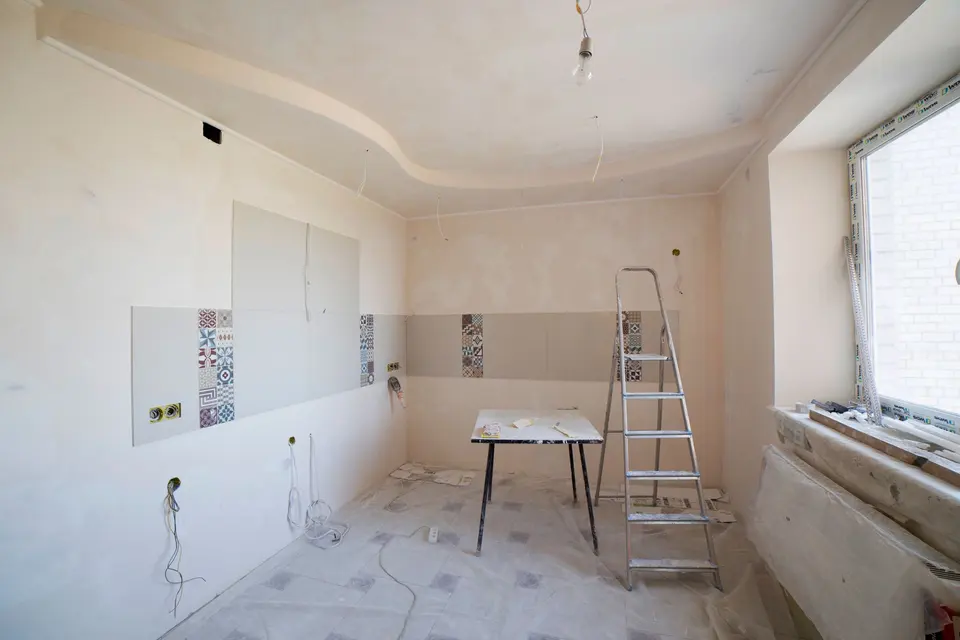
For a contractor, the final clean is the last impression the owner has before signing off. The framing, electrical and finish work may be excellent, but if the owner walks in and finds dust on the cabinet shelves and paint on the window glass, the punch list gets longer and the final payment waits.
This guide is for general contractors, remodelers and builders in Dallas, Plano, Allen and the surrounding area who are choosing a crew for final cleans. It covers what separates a dependable crew from a risky one, what to put in writing and the questions worth asking before you hand over the site. For our service, see post-construction cleaning.
Why the final clean matters to the contractor
The final clean sits at a pressure point in every project. It happens late, often squeezed between the last trade and the owner's walk-through, and it is the one task that touches every surface the owner will inspect.
A weak clean creates three problems for the contractor:
- Extra punch-list items that have nothing to do with workmanship, like dust in drawers or grout haze on tile.
- Delays when the clean has to be redone, or when a crew does not show on the scheduled day.
- Doubt in the owner's mind about the quality of the build itself, because a dusty finish looks unfinished.
A strong clean does the opposite. The owner sees the work clearly, the walk-through focuses on real items, and the job closes on schedule.
Which cleaning company do contractors use for final cleans in Dallas?
Contractors in Dallas use everything from their own laborers with brooms to large commercial janitorial firms to small owner-run cleaning companies. There is no single right answer, and we will not tell you who else to call. What matters is fit for your projects.
| What to compare | Why it matters | What a good answer sounds like |
|---|---|---|
| Post-construction experience | Construction dust and residue need different methods than office cleaning | Top-down cleaning, damp wiping, filtered vacuums, care for new finishes |
| Written scope | Prevents arguments about what "clean" meant | Room-by-room list you can attach to the subcontract |
| Scheduling | The clean must fit between the punch list and the walk-through | A clear date and a plan if your schedule moves |
| Who decides on site | Fast answers when something changes | A named person you can call |
| Pricing method | Avoids surprise change orders | Quote based on size, condition and scope |
| Quality guarantee | Protects you if items are missed | A clear statement that the work is guaranteed |
| Insurance | Your contract and the owner may require it | Coverage details and a certificate on request |
Our guide to what post-construction cleaning includes is a good reference to share with your project managers.
Rough clean, final clean and touch-up: define each one
Many disagreements with cleaning subs come from mixing up the phases. Builders in Plano, Allen, Frisco and McKinney, where new construction is common, often schedule all three:
- Rough clean: after drywall and other heavy work, before finishes. Debris out, dust down, floors swept so finishes go in clean.
- Final clean: after all trades. The detailed top-to-bottom clean.
- Touch-up: right before the walk-through, closing or move-in, for dust that settled and marks from late deliveries.
Write each phase into the scope separately, with its own expected date. Our guide to rough clean, final clean and touch-up has more on how to sequence them.
Who does the rough clean and final clean for new construction?
On new builds, the rough clean is sometimes handled by the builder's own laborers, and the final clean by an outside crew. On remodels and tenant finish-outs, a single cleaning company often does both. Either way works, as long as the handoff between phases is clear and nobody assumes the rough clean covered something it did not.
For a general contractor in Plano or Allen comparing cleanup crews, the practical test is simple: can the crew show up on the date you give, clean to a written list, and leave a site the owner accepts on the first walk-through? Ask the crew to walk one finished room with you on the first job and compare it to the scope. That conversation tells you more than any sales pitch.
Remodels inside occupied homes
Final cleans in occupied homes are a different job from vacant new builds. The crew has to work around furniture, rugs, closets and family routines, and dust often reaches rooms that were never part of the project. If your remodel business does a lot of kitchen and bath work in lived-in houses, ask whether the crew is comfortable cleaning around belongings and whether they handle the lighter follow-up some homeowners want once the dust has fully settled. For homes that need a full refresh afterward, our deep cleaning service covers the rest of the house.
What to put in the final-clean scope
A written scope is the single most useful thing a contractor can give a cleaning crew. Attach it to the subcontract or purchase order.
- Ceilings and high areas: cobwebs and dust, fans, light fixtures and lenses, tops of door frames and cabinets.
- Vents and returns: covers wiped or vacuumed. Decide who changes the HVAC filters.
- Walls and trim: dust removed, marks wiped where safe on new paint, trim and casings wiped.
- Doors and hardware: faces, edges, frames, hinges, knobs and levers.
- Windows and glass: interior glass, frames, sills and tracks. Labels, tape and paint specks removed where it can be done without scratching.
- Cabinets and millwork: inside and out, including drawers and shelves.
- Kitchens: counters, backsplash, sink, fixtures, appliances inside and out once film is removed.
- Bathrooms: fixtures, glass, tile and grout, mirrors, vanities, with haze and caulk residue removed.
- Baseboards, outlets and switch plates.
- Floors: vacuumed with fine-particle filtration and cleaned per the flooring manufacturer's instructions.
- Exclusions: list what is not included, such as exterior windows, pressure washing or carpet shampooing.
Questions to ask before you hire a final-clean crew
Before the first job, ask:
- How many post-construction cleans have you done on projects like ours? (Listen for specifics, not a number.)
- Can you show a sample scope or checklist?
- How do you handle fine drywall dust, and what equipment do you use?
- How do you protect new finishes like quartz, natural stone, hardwood and fixtures?
- What happens if the schedule moves by a few days?
- Who is my contact, and who leads the crew on site?
- How is the price set, and what would change it?
- Do you guarantee the quality of the work?
- What insurance do you carry, and can you provide a certificate for this project?
A crew that answers clearly and puts it in writing is usually a crew that shows up and finishes.
Working with an owner-run company
There are real tradeoffs between large firms and smaller owner-run companies. A large firm may have more crews. An owner-run company often gives you a direct line to the person who makes decisions, which matters when the schedule shifts on a Thursday afternoon.
At Texas Kings Cleaning Services, Saida Reyes, the owner, sets the scope, the schedule and the price herself. We build custom schedules around your project dates, use commercial-grade tools and cleaning agents, and guarantee the quality of our work. Our hours are Monday to Friday 8:30 am to 7:00 pm and Saturday 8:30 am to 2:00 pm; tell us the window you need and Saida will tell you what fits. We are based in Garland and work with contractors in Dallas, Plano, and Frisco, McKinney and Allen, among other cities.
For commercial projects, see our guide on commercial build-out cleaning. For residential remodels, our guide on cleaning after a home remodel is useful to share with homeowners, so they know what to expect before the walk-through.
Local conditions worth planning for
North Texas brings a few site realities. Spring winds and pollen push dust into open houses, and summer heat means doors stay closed and the HVAC runs as soon as it can, which pulls construction dust into the ducts. On new builds in Frisco, McKinney, Allen and Plano, dirt from surrounding lots that are still under construction gets tracked in daily. In older Dallas neighborhoods, remodels inside occupied homes add the challenge of furniture and belongings.
Each of these is a reason to time the final clean as close to the walk-through as your schedule allows, and to keep a touch-up in your back pocket.
Hard water is another local detail. Once the water is turned on and fixtures are tested, spots show up quickly on new glass shower doors, faucets and sinks. Add those to the final-clean scope by name, so they are cleaned last and the owner sees them spotless.
Book your next final clean
The right final-clean crew makes your walk-through about your work, not about dust. Put the scope in writing, set the date after the last trade, and choose a crew that answers your questions clearly.
To talk through a project, call Saida at 214-586-2075 or request a quote with the address area, square footage, project type and target date.
Questions people ask next
What should a final-clean scope include?
At minimum: ceilings, fixtures and vents dusted; walls, trim, doors and hardware wiped; windows, sills and tracks cleaned with labels and paint specks removed where safe; inside of all cabinets and drawers; restrooms and kitchens detailed; appliances cleaned once film is off; baseboards wiped; floors cleaned to the flooring maker's instructions.
When should the final clean be scheduled?
After every trade has finished work that creates dust, including punch-list items, and before the owner's walk-through or move-in. Build a short buffer into the schedule. If a trade must return afterward, plan a touch-up of that area instead of a full re-clean.
Should a contractor use the same crew for rough and final cleans?
It often helps. A crew that did the rough clean knows the site, the access and the finishes. But the more important point is that each phase has its own written scope, so nobody assumes the rough clean covered something it did not.
What insurance should a cleaning subcontractor carry?
That depends on your contract, the owner's requirements and your own insurer. Ask every cleaning subcontractor what coverage they carry and for a certificate naming what your contract requires, before they set foot on site. Do not assume coverage based on reputation alone.
How does Texas Kings price a final clean?
Saida Reyes, the owner, quotes each job herself after learning the size of the space, its condition and the scope you need. Send the square footage, the type of project, the finishes involved and your target date, and you will get a quote for that job.