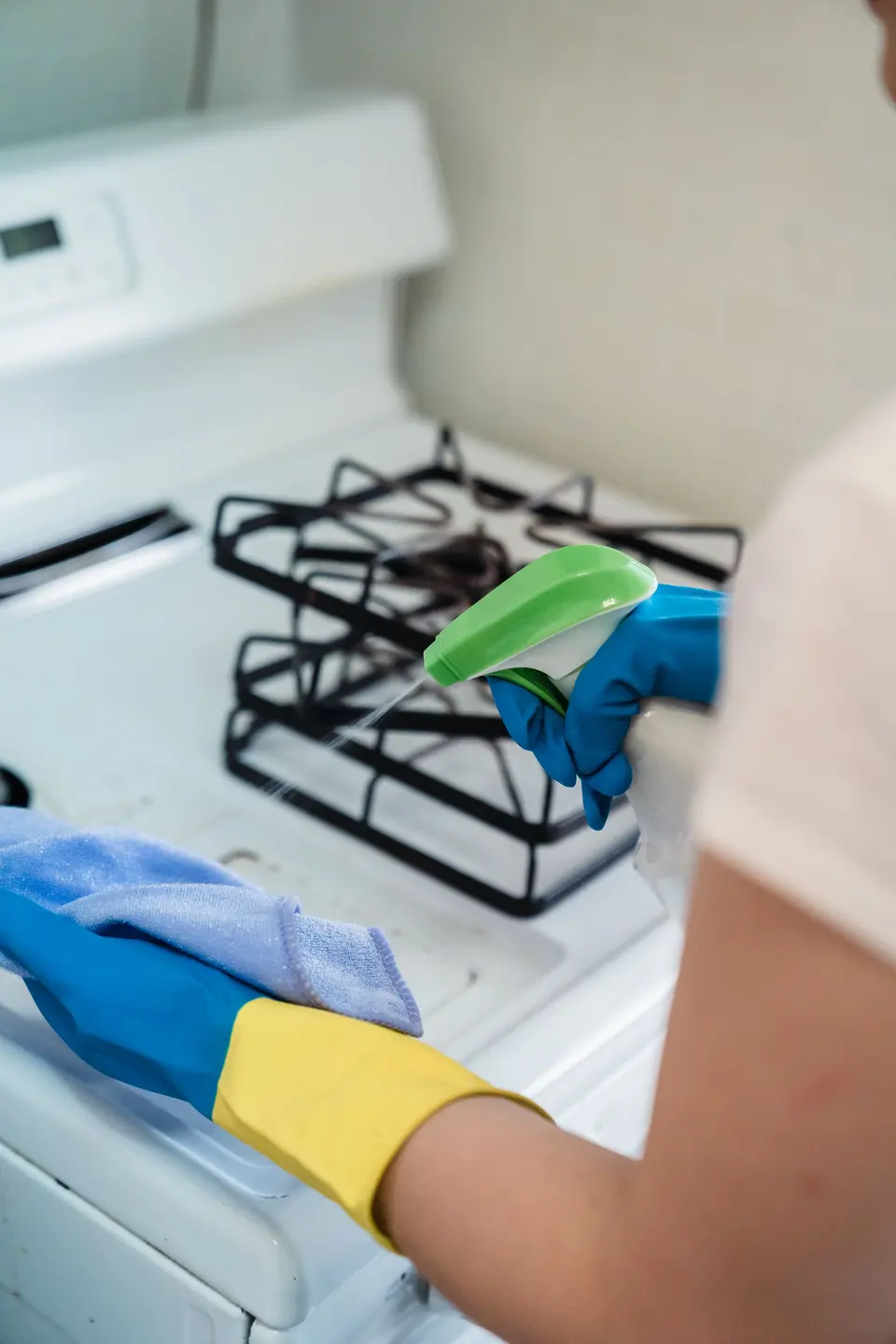
Post-construction
Cleaning After a Home Remodel: Getting the Dust Out Before You Move Back In
 Saida Reyes, owner, Texas Kings Cleaning Services··7 min read
In short
After a remodel, the contractor usually sweeps up debris, but fine drywall and sawdust stay on every ledge, vent, cabinet and floor. A post-construction clean removes that dust from the top of the room down, wipes inside new cabinets and fixtures, and leaves the home ready to live in. Book it after the last trade leaves and before your furniture comes back.
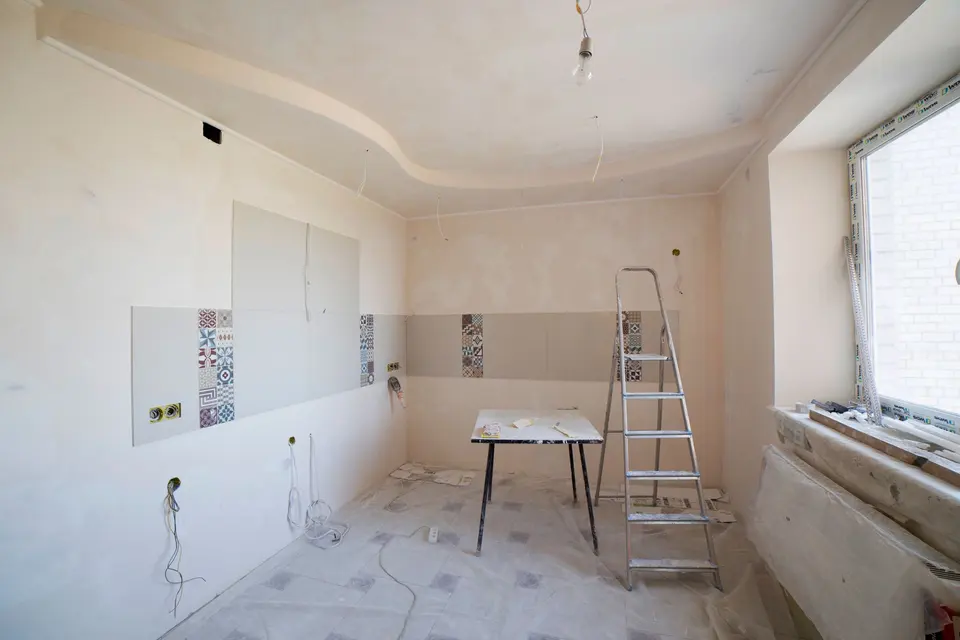
The contractor has packed up, the new kitchen looks great in photos, and you are ready to move your life back in. Then you run a finger along a door frame and it comes away gray. Remodel dust gets everywhere, including rooms nobody worked in, and it keeps showing up for days.
This guide walks through what a real post-remodel clean covers, the order it should happen in, what you can handle yourself, and how to choose someone to do it in Richardson, Mesquite, Lake Highlands, Carrollton or anywhere else in the area. If you want the short version of the service itself, see our post-construction cleaning service.
Why remodel dust is different from everyday dust
Everyday dust is mostly fibers, pollen and outdoor grit. North Texas homes get plenty of it, especially in spring. Remodel dust is something else: sanded drywall compound, sawdust, grout and thinset residue, paint overspray and tiny bits of insulation.
Three things make it hard to clean:
- It is very fine. Drywall dust floats and settles slowly, so it lands on surfaces hours after the work stops.
- It travels. It rides air currents through doorways and into the HVAC return, then gets blown back out into every room.
- It smears. Wipe it with a dry rag and it streaks. Wipe it with too much water and it turns into a paste in corners and grout lines.
That is why the contractor's broom sweep, which is normal and expected, is not the same as a clean you can live in. The contractor removes debris. A cleaner removes the dust film.
Who cleans up after a home remodel?
This is the question homeowners in Richardson, Mesquite and Lake Highlands ask us most often, and the honest answer is that it depends on your contract. Most remodeling contracts include removing construction debris and leaving the space "broom clean." Few include detail cleaning of every surface.
| Task | Usually the contractor | Usually a post-construction cleaner |
|---|---|---|
| Hauling away scrap, boxes and debris | Yes | No |
| Removing tape, masking and floor protection | Often | Leftover bits, yes |
| Broom sweep of work areas | Yes | Re-done properly |
| Dusting ceilings, walls, trim and ledges | Rarely | Yes |
| Wiping inside new cabinets and drawers | Rarely | Yes |
| Removing paint specks and stickers from glass and fixtures | Sometimes | Yes |
| Cleaning vent covers and returns | Rarely | Yes |
| Detail cleaning of floors, grout and baseboards | No | Yes |
| Cleaning untouched rooms where dust spread | No | Yes |
Read your contract before the job ends. If cleaning is vague, ask your contractor what "clean" means to them, then book a cleaner for the rest. Our guide to what post-construction cleaning includes goes deeper into the difference.
When to schedule the clean
Timing matters more than most people expect. Clean too early and the electrician who comes back to swap a fixture leaves new dust behind. Clean too late and you are unpacking boxes into a dusty room.
A good rule: schedule the clean after the last trade is done and before furniture, rugs and boxes come back in. If you are moving back in on a set date, work backward and leave room for the clean between the contractor's finish and your move.
For bigger renovations, cleaning often happens in stages. The industry usually describes a rough clean during the project, a final clean at the end, and a touch-up right before move-in. We explain each one in rough clean, final clean and touch-up. For a single-room remodel, one thorough final clean is usually enough.
What a thorough post-remodel clean covers, step by step
A good post-remodel clean works from the top down and from the back of the house toward the door, so dust only falls onto surfaces that have not been cleaned yet. Here is the order.
- Ceilings, corners and light fixtures. Dust and cobwebs come down first, including ceiling fan blades and the tops of light fixtures.
- Vents and returns. Covers are wiped or vacuumed so the air system does not keep blowing dust back out. If the return filter caught a lot of debris, plan on replacing it.
- Walls, trim and door frames. Walls are dusted, and trim, door tops and window frames are wiped with damp cloths.
- Windows and glass. Interior glass, tracks and sills are cleaned, including stickers, tape residue and paint specks where they can be safely removed.
- Cabinets, shelves and drawers. Inside and out. New cabinetry collects sawdust in every corner.
- Countertops, sinks and fixtures. Grout haze, caulk smears and fingerprints come off surfaces, faucets and hardware.
- Appliances. Outside surfaces, and the inside of new ones once any protective film is removed.
- Bathrooms. Tubs, showers, glass, toilets, tile and grout lines, with attention to grout haze on new tile.
- Baseboards and outlets. Dust settles on every horizontal edge.
- Floors last. Vacuuming with fine-particle filtration, then damp mopping hard floors, with care for the type of flooring that was installed.
Rooms where no work was done still get dusted, because dust spreads. If only your kitchen was remodeled, the living room next to it will still need attention.
If you are still living in the home
Many families stay put during a bathroom or kitchen remodel. In that case, the clean also has to work around beds, sofas and closets full of clothes. Dust settles on fabric and inside closets, so it helps to tell your cleaner which rooms stayed sealed off and which were open to the work. Upholstery and drapes may need vacuuming, and bedding that sat near the work area is worth washing on your side. A lived-in post-remodel clean takes more care around belongings, which is one more reason the scope should be set before the visit, not guessed at the door.
Things you can do before the cleaner arrives
A few steps on your side make the clean faster and the result better.
- Confirm with your contractor that all work, including touch-ups, is finished.
- Ask the contractor to remove large debris, leftover materials and the dumpster, if there was one.
- Remove or ask about protective film on new appliances and fixtures.
- Change or check the HVAC filter once the dust-making work is over.
- Set aside any care instructions for new flooring, countertops or fixtures, so the cleaner uses the right products.
- Note any surfaces you are unsure about, such as natural stone or a specialty finish.
- Keep the air conditioning or heat running as you normally would, so dust settles before the clean rather than after.
If the remodel was part of getting the house ready for a move, our move-out cleaning service and the guide on cleaning your old and new home the same weekend may help you plan both jobs together.
Remodels in older homes and newer builds
The homes around Garland are a mix. Richardson, Mesquite and Lake Highlands have many older ranch-style homes, and remodels there often mean opening walls, replacing original flooring or updating decades-old bathrooms. That work tends to make more dust than a cosmetic update, and it reaches places like attic access panels and old floor vents.
In Carrollton and the newer neighborhoods farther north, remodels are more often finishing touches: a kitchen upgrade, a bathroom refresh, new flooring. Less demolition, but the same fine dust from sanding and cutting.
Either way, tell whoever quotes the clean what was done, how many rooms were involved and whether you are still living in the home. If you have original hardwood or tile you want to protect, our guide on deep cleaning an older home covers how to care for those surfaces.
How to choose a cleaner for after a remodel
Not every house cleaner takes on post-construction work, and not every construction cleaning crew handles a lived-in home with care. Here are questions worth asking.
- Do you do post-construction cleaning specifically? It needs different steps than a regular visit.
- What is included, room by room? Ask whether inside cabinets, vents, windows and baseboards are covered.
- How do you handle fine dust? You want to hear about damp wiping and filtered vacuums, not just sweeping.
- How is the price set? A fair quote is based on the size of the space, its condition and the scope, not a guess.
- Do you guarantee your work? Ask what happens if something was missed.
- Do you carry liability insurance? Ask any cleaner this before they work in your home.
You may also find our checklist for a thorough deep clean useful as a reference for what "done" should look like.
At Texas Kings Cleaning Services, Saida Reyes, the owner, sets the scope, the schedule and the price herself after learning about your project. We use commercial-grade tools and cleaning agents, and we guarantee the quality of our work. We are based in Garland and serve homeowners across the area, including Richardson, Mesquite, Lake Highlands and North Dallas and Carrollton, Addison and Farmers Branch.
A clean house to come home to
The goal of a post-remodel clean is simple: you should be able to unpack, put your hand on any surface and see the new work the way it was meant to look. That takes a top-down, room-by-room clean, timed after the last trade and before you move back in.
If your remodel is wrapping up, call Saida at 214-586-2075 or request a quote and describe what was done. You will get a quote based on your space and a date that fits your move-in.
Questions people ask next
Can I clean up after a remodel myself?
You can, but fine drywall dust is harder than it looks. Regular vacuums can push it back into the air, and wiping with a dry cloth just moves it around. If you do it yourself, work from the ceiling down, use damp microfiber cloths, change the water often, and vacuum with a filter that traps fine particles.
Should I clean before or after the contractor's final walk-through?
Book the clean after the contractor has finished all work, including punch-list items, but ideally before you do your own final inspection. A clean surface shows scratches, gaps in caulk and paint misses that dust hides, so you catch them while the contractor is still on the job.
Will one cleaning get all the dust out?
Fine dust keeps settling for a while after work stops, especially once the air conditioning runs and pushes it out of the ducts. One thorough clean handles almost all of it. Some homeowners add a lighter follow-up visit a little later to catch what settled afterward. Ask about that when you request the quote.
Do you clean inside new cabinets and appliances?
A post-remodel clean should include the inside of new cabinets, drawers and shelves, because sawdust and packing debris collect there. Tell us which appliances are new and whether protective film is still on them, so the scope and the quote reflect what is actually in the space.
How is the price of a post-remodel clean set?
Saida quotes each job herself after learning the size of the space, its condition and what was remodeled. A single bathroom refresh and a whole-house renovation are very different jobs, so there is no flat price. Describe the project, or send photos, and you will get a quote that fits it.