Post-construction
Commercial Build-Out Cleaning: Readying an Office or Retail Space to Open
 Saida Reyes, owner, Texas Kings Cleaning Services··7 min read
In short
A commercial build-out clean removes construction dust and debris residue from a new or remodeled office or retail space so it is ready for staff, furniture and customers. It covers ceilings to floors: vents, light fixtures, glass, restrooms, break rooms, fixtures and flooring. Book it after the contractor finishes and before furniture, inventory or the opening date.
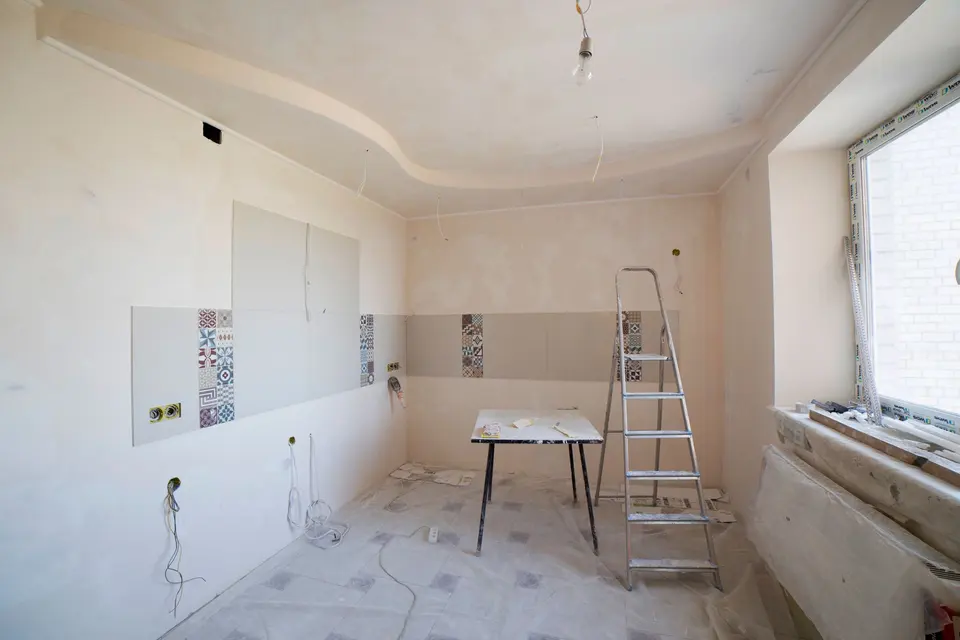
A build-out is the last stretch before a business opens its doors. The walls are up, the lights work, the flooring is in, and the date is on the calendar. What is left is a space covered in fine construction dust, sticker residue on the glass, and a restroom nobody has cleaned since the plumber left.
Whether you are opening a new office in Dallas, moving a team into a remodeled suite in Richardson, or finishing out a retail storefront, the build-out clean is what turns a job site into a place people can work and shop. This guide covers what it includes, when to schedule it, and how to plan it around your opening. For the service itself, see our post-construction cleaning page.
What is commercial build-out cleaning?
A build-out, or tenant finish-out, is the construction that turns an empty shell or an older suite into a usable business space: framing, drywall, electrical, plumbing, flooring, ceilings and finishes. Build-out cleaning is the detailed clean that follows.
It is different from regular office cleaning in two ways. First, the dirt is different: drywall dust, sawdust, grout haze, paint overspray, adhesive and packing debris. Second, the scope is wider: ceiling grids, light lenses, vents, window frames and the insides of new cabinets all need attention, not just the surfaces people touch every day.
We cover the general difference in our guide on what post-construction cleaning includes.
Who handles office build-out cleanup?
Business owners in Richardson and Dallas often assume the general contractor's crew leaves the space ready to open. Usually the contract says something like "broom clean," which means debris removed and floors swept. That is a real and necessary step, but it is not the same as opening-day clean.
| Responsibility | General contractor (typical) | Build-out cleaning crew |
|---|---|---|
| Removing scrap, packaging and leftover material | Yes | No |
| Dumpster and haul-off | Yes | No |
| Broom sweep of the work area | Yes | Followed by full floor care |
| Dusting ceiling grids, light fixtures and vents | Rarely | Yes |
| Removing labels, tape and paint specks from glass | Sometimes | Yes |
| Detail cleaning of restrooms and break rooms | Rarely | Yes |
| Wiping inside cabinets, shelving and millwork | Rarely | Yes |
| Cleaning doors, frames, hardware and switch plates | Rarely | Yes |
| Final floor cleaning suited to the flooring type | No | Yes |
The simplest way to avoid surprises is to ask the contractor, in writing, what their final clean covers. Then book a cleaner for everything else.
The three phases of a build-out clean
Larger commercial projects are often cleaned in phases. You will hear contractors use these terms:
- Rough clean: during construction, after the messiest work (framing, drywall, ceilings) and before finishes go in. Debris out, dust down, so finishes are not installed on top of grit.
- Final clean: after all trades are done. The detailed, top-to-bottom clean that most of this guide describes.
- Touch-up: right before opening or move-in, to catch dust that settled after the final clean and any marks left by furniture and equipment delivery.
Not every project needs all three. A small office refresh may only need a final clean. A full retail build-out with a hard opening date often benefits from all three. Our guide to rough clean, final clean and touch-up explains each phase in more detail.
What the final clean covers, step by step
A good final clean moves from top to bottom and from the back of the space toward the entrance, so nothing gets re-dusted.
- Ceilings and high surfaces. Ceiling grids, tiles where dust has settled, light lenses and fixtures, exposed ductwork in open-ceiling designs, and the tops of door frames.
- Vents and diffusers. Supply and return covers wiped or vacuumed so the HVAC system does not keep circulating dust. Ask the contractor or building about changing filters after construction.
- Walls and partitions. Dusting walls, wiping marks, cleaning glass partitions and storefront glass inside, including tracks and frames.
- Doors and hardware. Faces, edges, frames, kick plates, handles, push bars and switch plates.
- Millwork and cabinets. Reception desks, built-ins, shelving and the inside of every cabinet and drawer.
- Restrooms. Fixtures, partitions, mirrors, dispensers, tile and grout, with grout haze and caulk residue removed.
- Break room or kitchen. Counters, sinks, appliances inside and out once protective film is removed.
- Windowsills, ledges and baseboards. Every horizontal surface where fine dust collects.
- Floors last. Vacuuming carpet with filtered equipment and cleaning hard floors in the way the flooring manufacturer recommends.
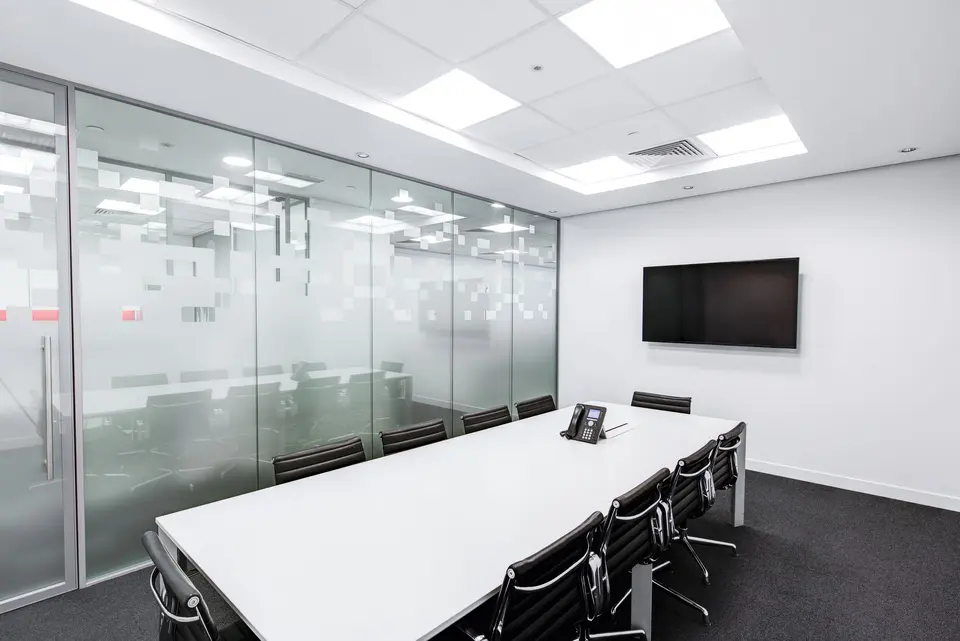
Retail spaces add fitting rooms, display fixtures, shelving and checkout counters. Offices add workstations, conference rooms and server or storage closets.
Retail build-outs: what customers notice first
In a store, customers judge the space in the first few seconds. They see the storefront glass, the entry floor, the shelving and the checkout area before anything else. Those are the places where construction leaves its most visible marks: sticker residue and paint specks on glass, dust lines along the base of fixtures, and haze on new tile at the entrance.
Retail build-outs also tend to have the tightest timelines, because inventory deliveries, staff training and a grand opening are often booked before construction ends. If that describes your project, plan the final clean before any product touches a shelf. Dust that settles on merchandise is far harder to deal with than dust on an empty fixture. For ongoing upkeep once the doors open, read our guide on retail store cleaning.
Offices: think about the air and the desks
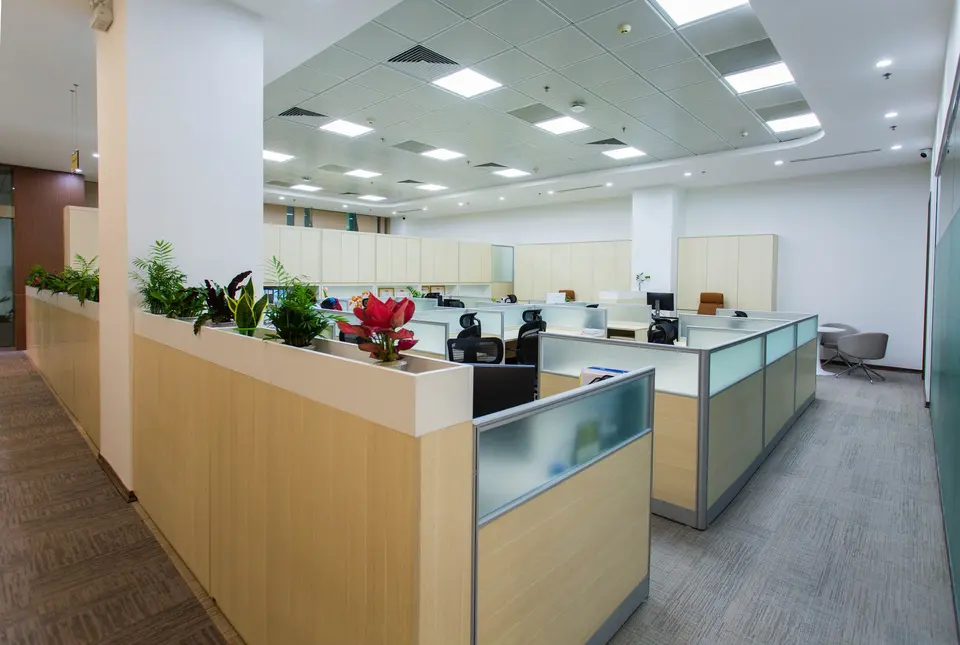
In offices, the biggest complaint after a build-out is dust that keeps appearing on desks for days. That usually comes from vents, ceiling tiles and the tops of tall furniture. Covering those in the final clean, and changing HVAC filters afterward, does more than any amount of desk wiping.
Planning the clean around your opening date
The most common problem we see with build-outs is a clean squeezed in too late. Furniture arrives early, IT crews run cable through the ceiling the day after the final clean, or inventory gets stacked on dusty shelving.
Here is a planning checklist to share with your contractor and your team:
- Get the contractor's expected completion date, including the punch list, not just "substantial completion."
- Ask what the contractor's own final clean includes.
- Schedule the final clean after all trades, including IT, security and signage installers, have finished work that makes dust.
- Plan furniture, equipment and inventory deliveries for after the final clean.
- Leave a cushion between the clean and opening day.
- Book a touch-up visit for just before opening if deliveries and setup happen in between.
- Collect care instructions for new flooring, countertops and specialty finishes.
- Decide who will let the cleaning crew in, and how.
- If you plan regular cleaning after opening, discuss it at the same time.
Offices in Dallas and Richardson, retail across the area
Dallas has every kind of commercial space, from downtown office floors to strip-center storefronts and medical suites. Richardson has a large share of office parks and suites along its business corridors, and many build-outs there are tenant improvements inside existing buildings. That matters for cleaning: you may be sharing a loading dock, an elevator and building rules about when work can happen.
Ask your property manager early about access hours, elevator reservations and where debris and equipment can go. A clean that fits the building's rules is a clean that happens on schedule. We serve businesses throughout Dallas and Richardson from our base in Garland, along with Plano and the rest of the area.
Choosing a build-out cleaning company
When you compare cleaners for a build-out, ask:
- Have you cleaned spaces right after construction, not just occupied offices?
- What exactly is included, from ceilings to floors?
- How do you handle fine dust and residue on glass and new finishes?
- How is the quote set? It should be based on the size of the space, its condition and the scope.
- Do you guarantee the quality of the work?
- Do you carry liability insurance? Ask any cleaner this before work begins, and ask your landlord whether a certificate is required.
- Can you continue with regular cleaning once we open?
At Texas Kings Cleaning Services, Saida Reyes, the owner, sets the scope, the schedule and the price herself after learning about the space. We use commercial-grade tools and cleaning agents, and our products are approved by the US EPA against SARS-CoV-2 on non-porous surfaces. We guarantee the quality of our work, and our office and commercial cleaning service can pick up where the build-out clean ends. If you are still comparing options for ongoing service, our guide on how to choose an office cleaning company walks through the questions to ask. Property managers preparing several suites or units may also find our guide to apartment make-ready cleaning after renovation useful for planning turnovers.
Open the doors on a clean space
Your first customers and your first day of staff only see the finished space once. A build-out clean that is timed right, after the last trade and before the furniture, makes that first look match the work you paid for.
To plan yours, call Saida at 214-586-2075 or request a quote with the square footage, the type of space and your target opening date.
Questions people ask next
Is build-out cleaning the contractor's job?
Most build-out contracts cover debris removal and a basic sweep. Detail cleaning of every surface, glass, fixture and restroom is often left out or loosely defined. Check the contract language, ask the general contractor what their final clean includes, and book a cleaner for the rest so the space is truly ready to open.
When should we schedule the clean before opening?
After all trades are finished and inspections are done, but before furniture, equipment, inventory and signage go in. Leave a cushion between the clean and the opening date in case a punch-list item creates new dust. A short touch-up visit right before opening can catch anything that settled in the meantime.
Can you clean around furniture that is already installed?
Yes, but it takes longer and dust tends to settle into workstations, chairs and shelving. If furniture is going in before the clean, tell us when you request the quote. Covering installed furniture during the final stages of construction helps a great deal.
Can the same company keep cleaning after we open?
Many businesses prefer that, because the cleaner already knows the space. Texas Kings offers commercial cleaning on a custom schedule built with you, so the build-out clean can lead straight into regular office cleaning if that is what you want.