
Post-construction
What Post-Construction Cleaning Includes, and Why It Is Not a Regular Clean
 Saida Reyes, owner, Texas Kings Cleaning Services··7 min read
In short
Post-construction cleaning removes the fine dust, debris, stickers, paint specks and residue left after a remodel or new build. It reaches inside cabinets, vents, window tracks, fixtures and every ledge where drywall and sawdust settle, often over more than one pass. A regular clean is not built for that. Texas Kings Cleaning Services does post-construction cleaning in Dallas, Garland, Irving and nearby cities.
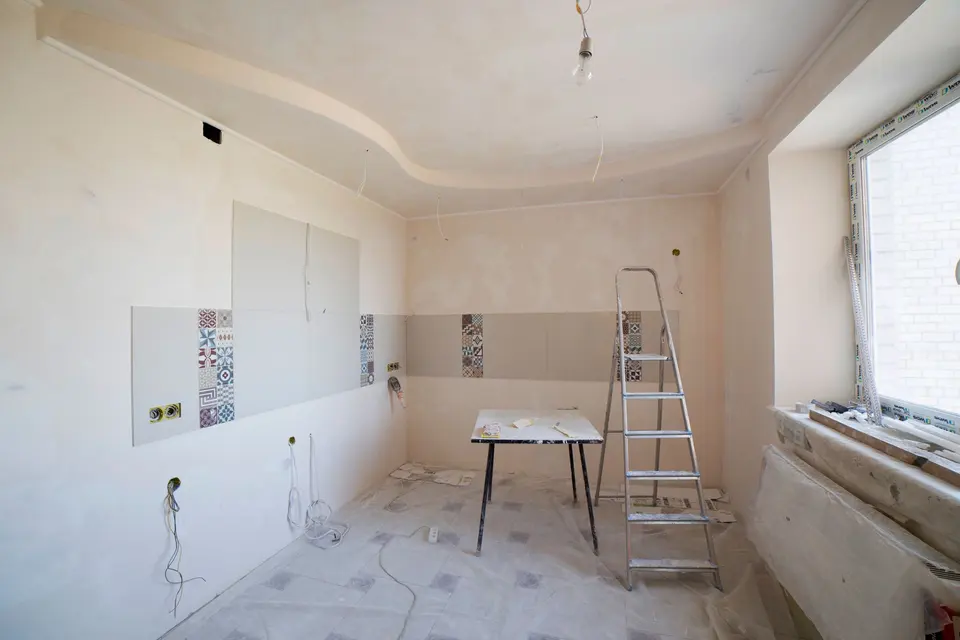
The contractor has packed up, the new floors are in, and the kitchen finally looks the way you pictured it. Then you run a finger along a cabinet shelf and it comes back gray. Construction leaves behind a layer of fine dust that settles everywhere, including places the work never touched.
Getting a newly built or remodeled space truly clean is a different job from routine cleaning. This guide explains what post-construction cleaning includes, why it takes a different approach, how it is usually staged, and what to ask before you hire someone for it in Dallas, Garland, Irving and the surrounding cities.
What post-construction cleaning is
Post-construction cleaning is the cleaning done after building or remodeling work, to take a space from job site to move-in ready. It covers homes after a remodel, additions, new builds, and commercial spaces after a build-out.
The goal is different from a regular clean. A regular clean removes the everyday dirt of a lived-in space. A post-construction clean removes what construction leaves: fine dust from drywall, sanding, cutting and grout; small debris; paint specks and overspray; adhesive residue; protective film and stickers on fixtures, windows and appliances; and footprints of every trade that walked through.
Texas Kings Cleaning Services offers post-construction cleaning for dust and debris after a remodel or new build, using commercial-grade tools and cleaning agents.
Why it is not a regular clean
The difference shows up in where the dirt is, how fine it is, and how many times it comes back.
| Regular cleaning | Post-construction cleaning | |
|---|---|---|
| Main target | Everyday dirt, grime, spills | Fine construction dust, debris, residue |
| Where it reaches | Living surfaces, floors, bathrooms, kitchen | Every ledge, inside cabinets, vents, tracks, fixtures, light covers |
| Special tasks | Usually none | Removing stickers and film, paint specks, adhesive, grout haze |
| Passes | One visit | Often more than one: rough, final, touch-up |
| Surfaces | Worn-in and familiar | Brand-new finishes that scratch easily |
| Tools | Standard household cleaning tools | Commercial-grade tools and agents suited to fine dust |
Construction dust is light enough to hang in the air and settle over hours. It drifts into rooms that were closed off, into the air return and ductwork, and onto the tops of door frames and cabinets. A single wipe-down moves it around. A post-construction clean works top to bottom, removes it with methods meant for fine particles, and then checks again once it has settled.
New finishes also change the approach. Fresh paint, new stone or quartz counters, new hardwood or luxury vinyl, new stainless appliances and new glass can be scratched or etched by the wrong product or pad. Part of the job is knowing what each surface tolerates.
Why a household vacuum and a dust cloth are not enough
Drywall and sanding dust is much finer than ordinary household dust. A standard home vacuum can pass some of it straight through its filter and back into the air, and a dry cloth tends to smear it or push it into corners. The particles then settle again on the surfaces you just cleaned.
That is the main reason people who try to clean up after a remodel themselves end up wiping the same counters several times over a week. Working top to bottom, using tools and products suited to fine dust, and cleaning the vent covers and returns so the air conditioning does not redistribute it are what make the difference. If you hire someone, ask how they handle fine dust specifically, not just whether they clean after construction.
What a post-construction clean includes
Exact scope depends on the project, but a thorough final clean typically covers the following.
Throughout the space
- Dust removed from ceilings, walls, corners and the tops of door frames
- Light fixtures, ceiling fans and recessed light trims
- Air vent and return covers
- Window sills, tracks, frames and glass, with stickers and film removed
- Baseboards, trim, doors and door hardware
- Light switches and outlet covers
- Closet shelves, rods and floors
- Floors vacuumed and mopped, with edges and corners detailed
Kitchen
- Inside and outside of all cabinets and drawers
- Countertops and backsplash, with grout haze and adhesive removed where safe for the surface
- Sink and faucet
- Appliances inside and out, with protective film and stickers removed
- Range hood
Bathrooms
- Tub, shower walls, glass and tracks
- Toilet, inside and out
- Vanity inside and out, sink, faucet and mirror
- Tile and grout, with haze and residue removed
- Exhaust fan cover
Usually not included
- Hauling large debris, lumber, drywall scraps or dumpster loads
- Repairing paint, caulk or finishes
- Pressure washing exteriors
- Carpet shampooing
Ask whoever you hire to put the scope in writing, so the line between cleaning and the contractor's work is clear.
The phases: rough clean, final clean and touch-up
On larger projects, post-construction cleaning is usually done in stages rather than all at once.
- Rough clean. During construction, after framing, drywall or other messy stages, the bulk of debris and dust is cleared so trades can work and finishes go onto clean surfaces.
- Final clean. After the trades finish, the detailed top-to-bottom clean that takes the space to move-in condition.
- Touch-up. A last pass right before the owner moves in or a buyer walks through, picking up dust that settled after the final clean or marks left by a returning trade.
Smaller remodels may only need a final clean. New builds and large remodels usually benefit from all three. Our guide to the rough clean, final clean and touch-up explains what each phase covers and when to schedule it.
Before you schedule: a homeowner and contractor checklist
The cleaning goes best when the space is actually ready for it. Before the cleaning date, check that:
- All dusty work is finished, including sanding, cutting, tile and paint
- Large debris and leftover materials are removed from the site
- Water and electricity are on
- The air conditioning filter has been changed, or will be after the clean, because it collects construction dust
- Any final fixture installs, like cabinet hardware or light covers, are done or scheduled after a touch-up
- You know which surfaces are new and need special care
- Everyone agrees on who handles stickers, film and paint specks
- The cleaner knows your move-in or handover date
For homeowners moving back in after a remodel, our guide to cleaning after a home remodel covers getting the dust out of the rest of the house, not just the work area.
Post-construction cleaning in Dallas, Garland, Irving and Grand Prairie
Construction in the area ranges widely. Older ranch homes in Garland and Richardson get kitchen and bathroom remodels that send dust through homes with original ductwork and window tracks. In Dallas, remodels of older homes sit next to commercial build-outs and new townhomes. Irving, Grand Prairie and Arlington have a mix of apartment renovations, office spaces and new residential builds. Newer neighborhoods in Frisco, McKinney and Wylie see builder cleans on brand-new homes.
North Texas adds its own challenge. Dust that comes in on the wind settles on top of construction dust, and spring pollen gets into homes that were left open while trades came and went. Homes that sat closed with the air conditioning running during a remodel often have dust pulled into the return and spread through the vents, which is why vent covers and returns are on the list.
Who does post-construction cleaning in Dallas and Garland?
Texas Kings Cleaning Services is based in Garland and provides post-construction cleaning across Dallas, Garland, Irving, Grand Prairie, Arlington, Richardson, Plano and other cities in the Dallas-Fort Worth area. Saida Reyes, the owner, sets the scope, the schedule and the price for each job herself, after learning the size of the space, its condition and what the project involved. We guarantee the quality of our work.
When people ask for the top-rated construction cleaning services in DFW or the best post-construction cleaners in Irving or Grand Prairie, the honest answer is that the best fit depends on the project. Whoever you consider, ask:
- What exactly is included, and what is left to the contractor or a hauling service?
- How do you handle fine dust? Ask whether they use vacuums with HEPA filters and how they clean vents and returns.
- How do you protect new finishes? Which products and pads do they use on stone, hardwood and new glass?
- Do you offer a rough clean and touch-up, or only a single final clean?
- How do you schedule around trades and a move-in or handover date?
- Do you carry liability insurance? Any cleaner working on a new or remodeled space should be able to answer.
Contractors choosing a crew for their final cleans will find more on this in our guide to how contractors choose a final-clean crew. Businesses opening a new space can read about commercial build-out cleaning.
Get the dust out before you move in
Post-construction cleaning is the last step between a finished project and a space you can actually use. If you have a remodel, new build or build-out wrapping up in Dallas, Garland, Irving or nearby, call Saida at 214-586-2075 or request a quote with the project details and your move-in date. Our hours are Monday to Friday, 8:30 am to 7:00 pm, and Saturday, 8:30 am to 2:00 pm.
Questions people ask next
When should post-construction cleaning be scheduled?
After the dusty work is finished: drywall sanding, cutting, flooring and painting. Cleaning before trades are done means dust lands on clean surfaces and the work is partly repeated. For larger projects, a rough clean during construction and a final clean at the end work better than one big clean, with a touch-up before the owner moves in if trades return.
Does post-construction cleaning include hauling away debris?
Usually not large debris. Removing lumber offcuts, drywall scraps, packaging and dumpster loads is normally the contractor's job or a separate hauling service. Cleaning crews focus on dust, small debris, residue and surfaces. Confirm with both the contractor and the cleaner who handles what, so nothing is left in between.
Why does dust keep coming back after the first clean?
Construction dust is very fine. It settles slowly from the air, hides in vents, tracks and fixtures, and gets stirred up again when the air conditioning runs or people walk through. That is why a thorough job cleans top to bottom, includes vent covers and returns, and why a second pass or touch-up is common on larger projects.
Can I do post-construction cleaning myself?
For a small project, such as one painted room, many homeowners can. For a kitchen or bathroom remodel, an addition or a new build, the dust reaches far beyond the work area and needs the right tools and products. Household vacuums can struggle with fine drywall dust, and some new finishes are easy to scratch with the wrong pad.
How is a post-construction clean quoted?
Saida Reyes quotes each job herself after learning the size of the space, its condition and what the project involved. Photos of the finished work, the square footage, the type of project, whether trades are fully done and your deadline are the most useful details to send.