Post-construction
Apartment Make-Ready Cleaning After Renovation: A Property Manager's Guide
 Saida Reyes, owner, Texas Kings Cleaning Services··7 min read
In short
Make-ready cleaning after a renovation is the final detailed clean that gets a unit from finished construction to show-ready and lease-ready. It removes drywall and sawdust, cleans new cabinets, appliances, fixtures, glass and floors, and checks the details a prospect notices. Schedule it after every trade signs off and before showings or the move-in inspection.
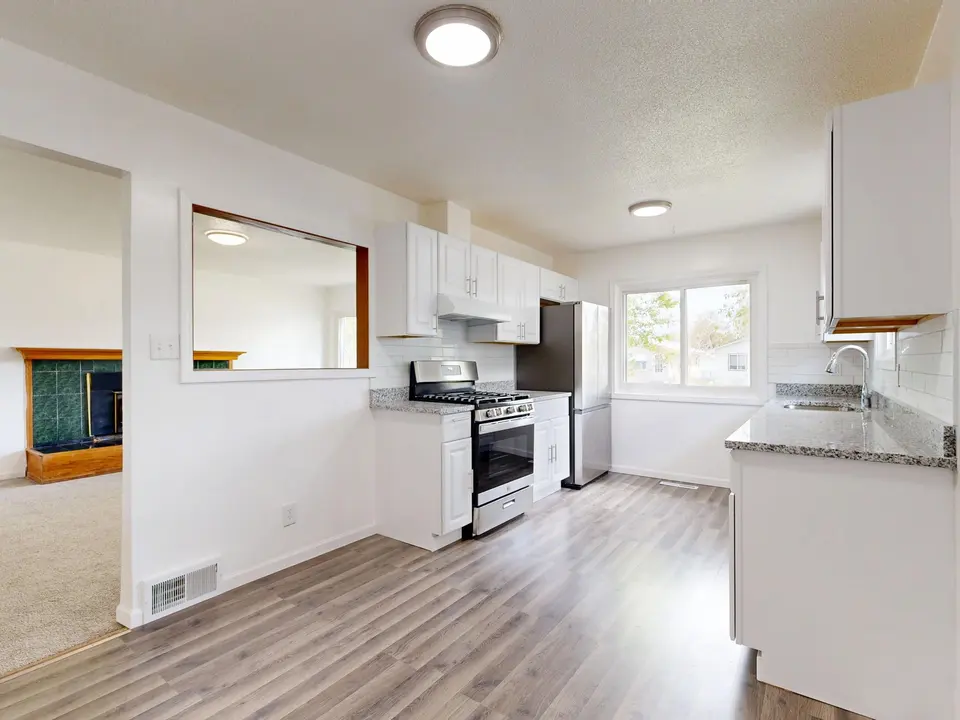
A renovated unit sitting empty is a unit that is not earning rent. You have paid for new flooring, cabinets, fixtures and paint, and the last thing standing between that investment and a signed lease is a clean that makes the unit look the way it should in photos and at the first showing.
This guide is for property managers, owners and leasing teams in Dallas and the surrounding cities who renovate apartments between tenants. It covers what a make-ready clean after renovation includes, how to sequence it with your trades, and how to brief a cleaning crew so every unit comes out the same. For the service, see our post-construction cleaning page.
What make-ready cleaning means after a renovation
In property management, "make-ready" is everything that turns a vacant unit into a rentable one: repairs, paint, replacements and cleaning. When the unit has also been renovated, the cleaning part changes.
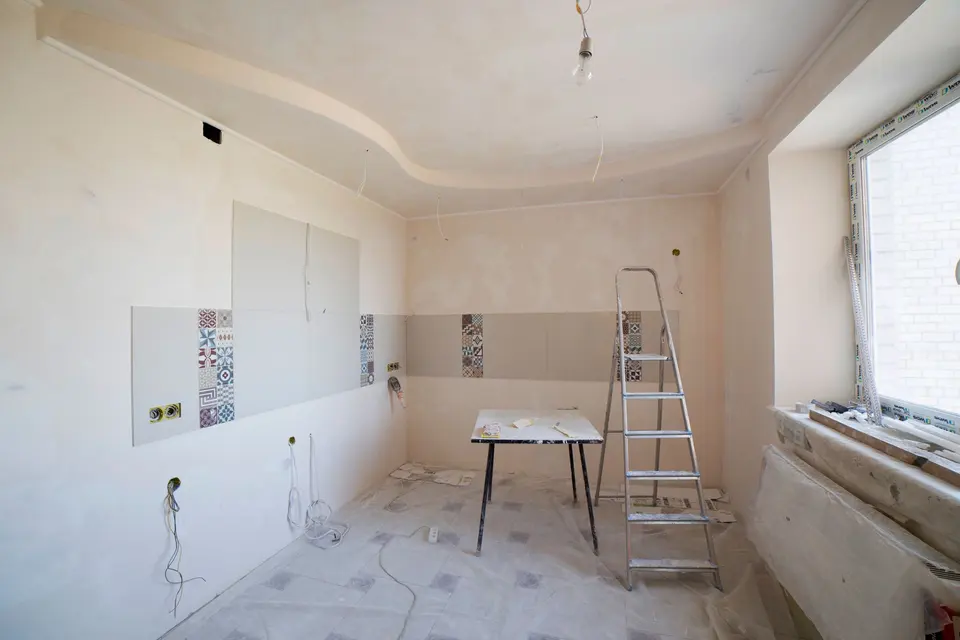
A normal turnover clean deals with the previous tenant's grime. After a renovation, most of the old grime went out with the old cabinets and flooring. What remains is construction residue: fine drywall dust on every surface, sawdust inside new cabinets, adhesive and labels on new fixtures, grout haze on new tile, paint specks on glass and hardware, and debris in tracks and corners.
| Turnover clean (no renovation) | Make-ready clean after renovation |
|---|---|
| Grease on existing range and hood | Dust and film on new appliances, inside and out |
| Soap scum and hard water in the tub | Grout haze, caulk smears and labels on new tile and fixtures |
| Crumbs and stains in cabinets | Sawdust and packing debris in new cabinets |
| Scuffs and marks on walls | Drywall dust on walls, trim and every ledge |
| Dirt in carpet or on old floors | Fine dust on new flooring that needs the right method |
| Normal dust on blinds and fans | Heavy dust on blinds, fans, vents and light fixtures |
If the unit only needed paint and minor repairs, our guide on cleaning a rental after tenants leave is the better fit.
Who does make-ready cleaning for renovated apartments in Dallas?
Property managers in Dallas usually have three options: their own maintenance or porter staff, the renovation contractor's cleanup crew, or an outside cleaning company.
Maintenance staff know the property, but they are usually stretched across work orders. Contractor crews remove debris, but detail cleaning is often outside their scope. An outside cleaning company that does post-construction work brings a crew focused only on the clean, with the steps and equipment for fine dust.
Whichever route you choose, the deciding questions are the same: is the scope written down, is the standard consistent from unit to unit, and does the clean fit your leasing timeline.
The right order: where the clean fits in a renovation
Cleaning too early is the most common make-ready mistake. A painter comes back for touch-ups, a plumber swaps a faucet, and the unit needs cleaning again. Use this sequence:
- Demolition and rough work. Debris hauled out, rough clean if the unit is heavily dusty before finishes go in.
- Finishes installed. Cabinets, counters, flooring, fixtures, appliances.
- Punch list and touch-ups. Paint, caulk, hardware, adjustments.
- Trade sign-off. Every trade confirms they are done in the unit.
- Make-ready clean. Top to bottom, every room.
- Final inspection and photos. Your team walks the unit on a clean surface, where defects are easy to see.
- Showings and move-in. A quick touch-up if the unit sits vacant long enough to collect dust.
The industry often splits construction cleaning into rough, final and touch-up phases. Our guide to rough clean, final clean and touch-up explains when each one earns its place.
Make-ready cleaning checklist for a renovated unit
Use this as the base of your scope, and add property-specific items.
Throughout the unit
- Dust ceilings, corners, ceiling fans and light fixtures
- Wipe or vacuum vent covers and returns
- Dust and wipe walls, trim, doors, door frames and hardware
- Clean switch plates and outlet covers
- Clean interior windows, sills and tracks; remove stickers and paint specks where safe
- Clean blinds
- Wipe baseboards
- Vacuum and clean floors with a method suited to the new flooring
- Clean closets: shelves, rods and floors
Kitchen
- Clean inside and outside of all cabinets and drawers
- Clean countertops and backsplash; remove grout haze and caulk residue
- Clean sink and faucet
- Clean appliances inside and out after protective film is removed
- Clean range hood and filter
Bathrooms
- Clean tub, shower, surround and glass; remove haze and labels
- Clean toilet, including base and behind
- Clean vanity inside and out, mirror and fixtures
- Clean tile and grout lines
Exterior touch points
- Front door, threshold and patio or balcony door track
- Patio or balcony floor swept, if part of your scope
Why the clean comes before your final inspection
Some teams inspect the unit first and clean last. It feels efficient, but it hides problems. Dust fills small gaps in caulk, softens the look of paint misses and covers scratches on new countertops and flooring. Once the surfaces are clean, those defects jump out.
Inspecting a clean unit gives you a fair chance to send the contractor back while the job is still open. It also means the listing photos are taken on the same day the unit is truly ready, rather than after a second round of fixes and a second round of cleaning.
Units that sit vacant after the clean
If a unit is cleaned and then waits for a lease, dust settles again, insects find their way in through gaps, and drains can dry out and smell. A light touch-up before each showing or before move-in keeps the unit at the standard you paid for. Plan it in your leasing calendar, so the clean you did is not undone by a quiet month. Running the faucets and flushing toilets now and then on vacant units helps too.
How to brief a cleaning crew so every unit matches
Consistency matters when you are leasing several renovated units. A prospect who tours two units should not see two different standards. A short written brief helps.
- Unit details. Number, floor plan, size and what was renovated.
- Your move-in standard. If you use a move-in inspection form, share it, so the crew cleans to what your team will check.
- Access. How the crew gets in, who to call on site and which hours work.
- Surface care. Manufacturer instructions for new flooring, stone or quartz counters and specialty fixtures.
- What is not included. For example, carpet shampooing or exterior work, so there are no assumptions.
- Sign-off. Who walks the unit after the clean and how issues are reported.
At Texas Kings Cleaning Services, Saida Reyes, the owner, sets the scope, the schedule and the price herself after learning about the units. We build custom cleaning schedules with each client, use commercial-grade tools and cleaning agents, and guarantee the quality of our work.
Renovated units across Dallas and nearby cities
Dallas has a wide range of rental housing: older garden-style complexes being updated one unit at a time, mid-century duplexes, and newer mid-rise buildings. Garland and Mesquite have many older complexes and single-family rentals where renovations replace original kitchens and baths. Irving, Grand Prairie and Arlington have large apartment communities that renovate in batches.
The local climate adds its own details. North Texas dust finds its way into vacant units, especially when a door is propped open for trades, and hard water marks show quickly on new fixtures once the water is turned back on. Both are worth adding to your checklist.
We serve property managers across Dallas, Garland and Irving, Grand Prairie and Arlington from our base in Garland. For units that need a turnover rather than a renovation clean, our deep cleaning service covers that work.
What property managers should ask any make-ready cleaner
Before you hand over keys or codes, ask:
- Do you do post-construction cleaning, or only standard turnovers?
- What does your make-ready scope include, room by room?
- How do you handle fine dust and residue on new finishes?
- How is the price set for one unit and for several?
- Do you guarantee the quality of the work, and how are issues reported?
- Do you carry liability insurance, and can you provide a certificate if the property requires one?
- Can you work on a schedule that follows our renovation calendar?
If you manage offices and common areas as well as units, our guide on cleaning for property managers covers the broader picture, and our guide on how cleaning quotes are set explains what drives the price of each job.
Get renovated units leased sooner
A renovated unit is only as appealing as its first impression. A make-ready clean timed after the last trade, done to a written standard, lets your new finishes show in photos, at showings and on move-in day.
To set up make-ready cleaning for one unit or a renovation program, call Saida at 214-586-2075 or request a quote with the unit sizes, what was renovated and when the units will be ready.
Questions people ask next
What is the difference between a make-ready clean and a regular turnover clean?
A regular turnover clean removes what the last tenant left: grease, soap scum, dirt and marks. A make-ready after renovation removes what the construction left: fine dust, adhesive, paint specks, grout haze and packing debris. It also covers new items that have never been cleaned, like the inside of new cabinets and appliances.
Should the clean happen before or after paint touch-ups?
After. Paint touch-ups, caulking and hardware installs all leave marks and dust. The best order is construction, punch list and touch-ups, then the make-ready clean, then your final inspection and photos. If a trade has to return after the clean, plan a quick touch-up of that area.
Can you clean several units on one schedule?
Texas Kings builds custom cleaning schedules with each client. If you are renovating units in batches, share the expected completion dates and Saida will work out a schedule and a quote for the units, the scope and the timing you need.
What should I tell the cleaner before the first unit?
Share the unit sizes and layouts, what was renovated, your standard for move-in ready, how access works, the care instructions for new flooring and countertops, and whether the unit will be photographed or shown right after. A short written checklist from your side keeps every unit consistent.
How is a make-ready quote set?
Saida quotes after learning the size of each unit, its condition after the renovation and how many units are involved. A light refresh and a full gut renovation leave very different amounts of dust and residue, so the quote reflects the actual work rather than a flat rate.