Deep cleaning
Deep Cleaning an Older Home: Care for Original Floors, Tile and Fixtures
 Saida Reyes, owner, Texas Kings Cleaning Services··7 min read
In short
The best deep clean for an older home is a careful one: gentle, pH-neutral products on original hardwood, vintage tile and natural stone, soft tools instead of harsh abrasives, little standing water, and extra time for the nooks older homes have. Ask any cleaner how they handle original surfaces before they start. Texas Kings deep cleans older homes across Dallas.
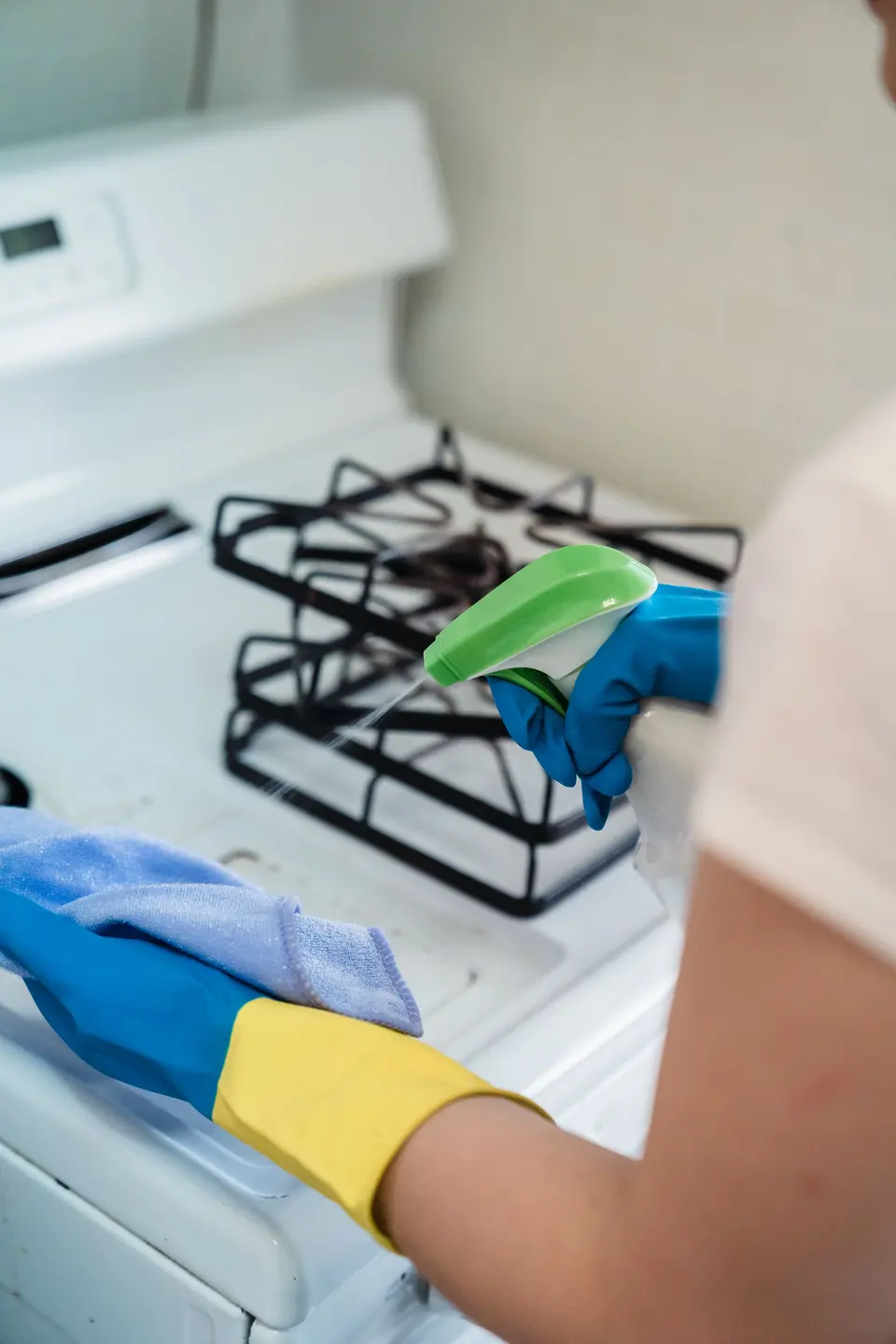
Older homes have something newer ones rarely match: solid hardwood laid decades ago, hand-set tile in colors nobody makes anymore, cast-iron tubs, glass doorknobs and built-ins with layers of history. They also have more corners for dust, porous grout that has absorbed years of use and finishes that can be damaged by the wrong product in a single afternoon.
Deep cleaning an older home is a balance between getting it truly clean and protecting what makes it worth keeping. This guide explains how to do that, surface by surface, and what to ask any cleaner before they start. It is written with Dallas-area homes in mind, from established neighborhoods across the city to the many mid-century ranch homes in Garland, Richardson and Lake Highlands.
The best deep cleaning for an older home in Dallas
The best deep clean for an older home is not the strongest one. It is the one done by someone who asks about your surfaces before reaching for a bottle. That means gentle, pH-neutral products where the material calls for them, soft brushes and cloths instead of harsh scouring pads, as little standing water as possible on wood, and enough time to get into the nooks older homes have.
Texas Kings Cleaning Services, an owner-run company based in Garland, does deep cleaning for older homes across Dallas, Lake Highlands and North Dallas, Garland and Richardson. Saida Reyes, the owner, learns the size and condition of each home before she sets the scope and the price, which is exactly the conversation an older home needs. Tell us about original floors, vintage tile or anything fragile, and the plan is built around it. We guarantee the quality of our work.
Why older homes need a different approach
A few things set older homes apart from newer builds when it comes to cleaning.
- Original finishes. Hardwood floors may have wax, shellac or older varnish rather than modern polyurethane. These react differently to water and cleaning products.
- Porous materials. Unsealed or worn grout, natural stone and older ceramic tile absorb dirt and liquids more readily, which makes them stain-prone and harder to clean.
- Delicate fixtures. Older faucets, doorknobs and hardware may be plated, and the plating can wear through with abrasive cleaners.
- More detail. Picture rails, trim, built-in shelves, textured plaster and window muntins all collect dust and take time.
- Years of build-up. If the home has changed hands or gone without a thorough clean, there may be layers of grime that need patience rather than force.
Surface by surface: how to clean original features safely
Original hardwood floors
Water is the main risk to old hardwood, especially where the finish is worn. Dry-dust or vacuum first with a soft floor attachment, then clean with a barely damp microfiber mop and a product made for the floor's finish. Avoid steam mops, soaking wet mops and oil soaps that can leave a film or build up over time. If the floor may be waxed, avoid water-heavy methods entirely and ask a flooring professional about the right care.
Vintage ceramic tile
Many older bathrooms and kitchens have small ceramic tile in mint, pink, black-and-white or other period colors. The glaze is usually durable, but the grout between tiles may be worn or unsealed. Clean with a pH-neutral or mild cleaner and a soft-bristle brush. Skip harsh acids and stiff wire brushes, which can wear down old grout and scratch glaze. Rinse well so no residue is left in the grout lines.
Natural stone
Marble, travertine and limestone are common in older entries, bathrooms and fireplace surrounds. They are sensitive to acids, which means vinegar, lemon and many bathroom cleaners can etch the surface and leave dull spots. Use a cleaner made for stone and dry the surface afterward.
Cast-iron and porcelain tubs
Older tubs often have porcelain enamel. Use a non-abrasive cleaner and a soft sponge. Scouring powders and abrasive pads can dull the finish over time, making it stain more easily in the future.
Old fixtures and hardware
Plated faucets, doorknobs and hinges can lose their finish to abrasive or harsh chemical cleaners. Wipe with a mild cleaner and a soft cloth and dry them to prevent water spots. For hard-water film on fixtures, work gently and patiently rather than scrubbing hard.
Windows, sills and trim
Older wood windows have more edges and often older paint. Wipe sills and trim gently with a damp cloth, vacuum tracks and corners, and avoid soaking wood frames.
Gentle vs. harsh: a quick reference
| Surface | Use | Avoid |
|---|---|---|
| Original hardwood | Dry dusting, barely damp microfiber, finish-appropriate cleaner | Steam mops, soaking, oil soap build-up |
| Vintage ceramic tile | pH-neutral cleaner, soft brush | Strong acids, wire brushes |
| Old or unsealed grout | Mild cleaner, soft brush, thorough rinse | Acids, aggressive scrubbing |
| Marble, travertine, limestone | Stone-specific cleaner, dry afterward | Vinegar, lemon, acidic bathroom cleaners |
| Porcelain or cast-iron tub | Non-abrasive cleaner, soft sponge | Scouring powder, abrasive pads |
| Plated fixtures and knobs | Mild cleaner, soft cloth, dry afterward | Abrasives, harsh chemicals |
| Painted trim and older paint | Gentle wipe, damp cloth | Scraping, sanding, heavy scrubbing |
A note on older paint
Homes built before 1978 may contain lead-based paint, since that is the year it was banned for residential use in the United States. Ordinary cleaning of intact painted surfaces is fine. The concern is anything that sands, scrapes or chips the paint and creates dust. A cleaning visit should never do that.
If you see peeling, cracking or chipping paint, point it out before the clean so the cleaner can avoid that area, and have it assessed by a qualified professional. This is an area for caution, not scrubbing.
Dealing with dust in an older North Texas home
Older homes in the Dallas area often struggle with dust more than newer ones. Window and door seals may be less tight, so the dry, windy days common in North Texas push fine dust inside. Older ductwork can circulate more dust through the vents, especially during the months when the air conditioning runs constantly. Spring pollen finds every gap.
A deep clean helps by reaching the places dust collects: ceiling fans, picture rails, the tops of door frames, built-in shelves, vent covers and baseboards. Afterward, a regular schedule keeps the dust from building back up. Our guide to spring cleaning in Dallas covers the seasonal side of this.
Before the deep clean: tell your cleaner these things
The single most useful thing you can do is share what you know about your home. A short list helps:
- Which floors are original, and what finish you think they have
- Any natural stone, and where it is
- Vintage tile or fixtures you want treated gently
- Areas with peeling or flaking paint to avoid
- Antique furniture or built-ins that should only be dusted
- Any past water damage or weak spots in floors or tile
- Products you know work well, or ones that have caused problems before
These notes protect the home and help the cleaner plan the right amount of time. Our guide on how a cleaning quote is set explains how condition and detail affect the scope.
What a deep clean in an older home covers
A deep clean in an older home covers the same areas as any deep clean, with more care and time in the details. Baseboards, trim and picture rails get wiped by hand. Fans, fixtures and vent covers are dusted. Kitchens get degreased cabinet fronts and a careful clean of older counters. Bathrooms get attention to grout, tile and fixtures without harsh products. Floors are cleaned with methods suited to their finish.
For the full room-by-room list, use our deep cleaning checklist. For the two rooms that take the most work, see our guide to the kitchen and bathroom deep clean. And if you are not sure whether your home needs a deep clean or a regular visit, our comparison of deep cleaning vs. regular cleaning helps you decide.
If you recently bought an older home and are moving in, a move-in clean may be the right starting point, since the home is empty and every cabinet and closet can be reached. See our move-in and move-out cleaning page.
Keeping an older home clean between deep cleans
The gentler methods an older home needs work best when dirt never gets a chance to set in. Grit on old hardwood acts like sandpaper underfoot, so frequent dry dusting or vacuuming protects the finish more than any product. Mats at each entrance catch much of that grit before it reaches the floors.
In bathrooms, a quick squeegee or towel-dry of the shower walls after use keeps hard-water film from building on vintage tile and old grout, which means less scrubbing later. Wiping plated fixtures dry after use prevents spots from forming in the first place.
A regular cleaning schedule does the rest. Weekly, every-two-weeks or monthly visits keep dust off the trim and fans and keep bathrooms from reaching the point where only strong products would work. We build custom schedules around the areas you want maintained, with the same care for original surfaces as the deep clean. Our guide on what a recurring house cleaning visit includes shows what regular visits cover.
Book a deep clean for your older home
If your home has original floors, vintage tile or fixtures worth protecting, tell us about it. Call Texas Kings Cleaning Services at 214-586-2075 (Monday to Friday 8:30 am to 7:00 pm, Saturday 8:30 am to 2:00 pm) or request a quote online. Saida will ask about the size and condition of your home and its original features, then set the scope and price herself.
Questions people ask next
Can vinegar be used to clean an older home?
Vinegar is acidic, so keep it away from marble, travertine, limestone and other natural stone, which it can etch, and be careful with old grout, which it can wear down. It can work on some glass and on certain hard-water spots on non-stone surfaces. When in doubt, a pH-neutral cleaner is the safer choice for original surfaces.
How do I know if my hardwood floors have a wax finish?
One common test is to scratch lightly in an inconspicuous corner with a fingernail or coin. If a whitish smudge comes up, the floor may be waxed. Polyurethane finishes usually do not smudge this way. If you are unsure, tell your cleaner the floor is original and finish unknown, so they use minimal water and avoid products that could react with wax.
Is it safe to deep clean a home built before 1978?
Yes, ordinary cleaning is fine. Homes built before 1978 may contain lead-based paint, so the concern is anything that sands, scrapes or chips painted surfaces, which a cleaning visit should not do. If paint is peeling or flaking, point it out and have it assessed by a qualified professional rather than scrubbing it. Wiping intact painted surfaces gently is normal.
Should old grout be sealed after a deep clean?
Sealing helps grout resist stains and moisture, and older grout that has never been sealed often benefits from it. Sealing is a separate job from cleaning, though, and the grout needs to be fully clean and dry first. Ask a tile professional whether your grout is in good enough condition to seal or needs repair first.