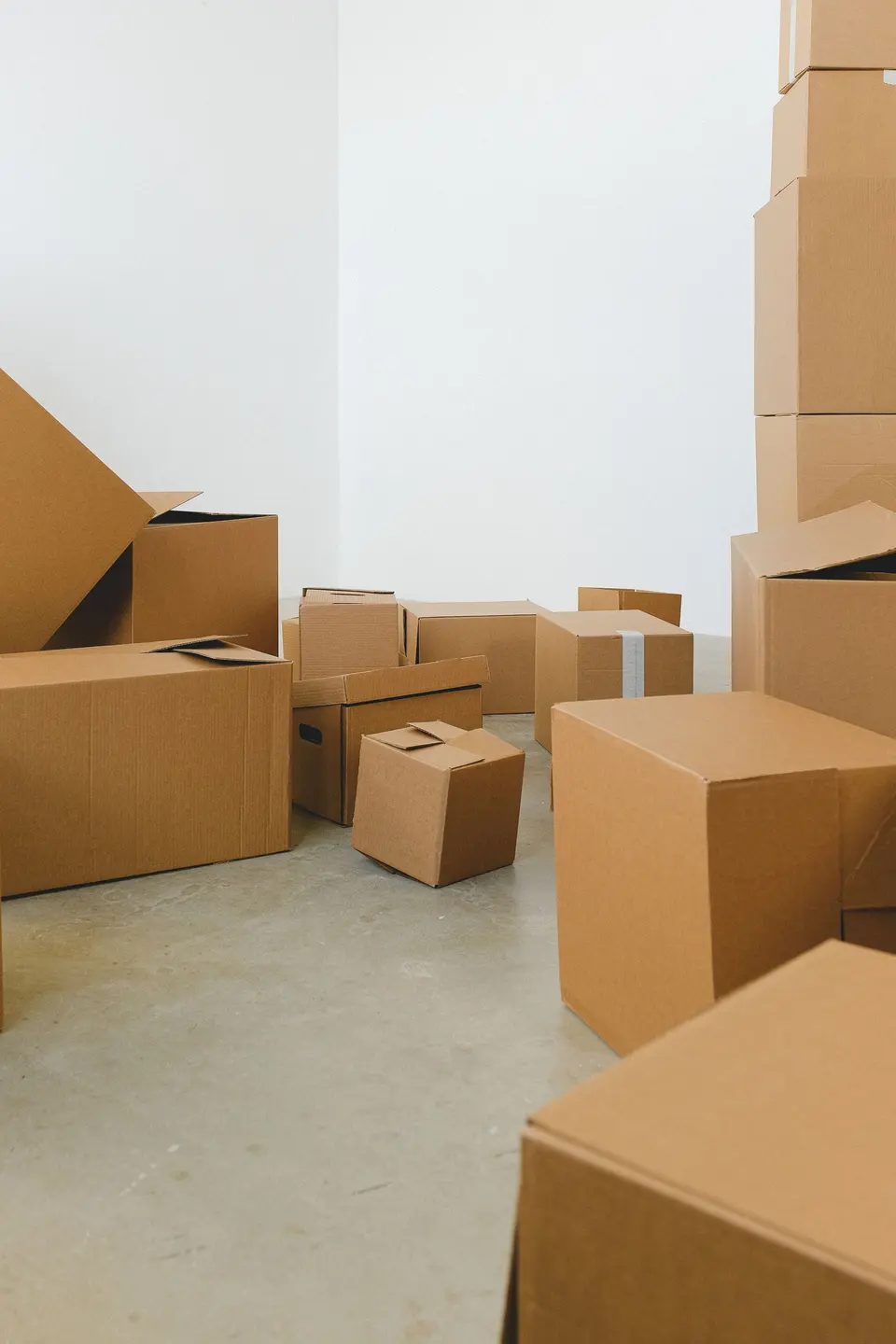
Move-in & move-out
End-of-Lease Apartment Cleaning: How to Hand Back the Keys and Keep Your Deposit
 Saida Reyes, owner, Texas Kings Cleaning Services··7 min read
In short
End-of-lease cleaning means returning your apartment as clean as it was when you moved in, minus normal wear and tear. Focus on what landlords inspect: the oven, refrigerator, cabinets, bathrooms, floors, blinds and walls. Clean after your things are out, compare the unit with your move-in report, take photos, and give your forwarding address in writing so your deposit refund can reach you.
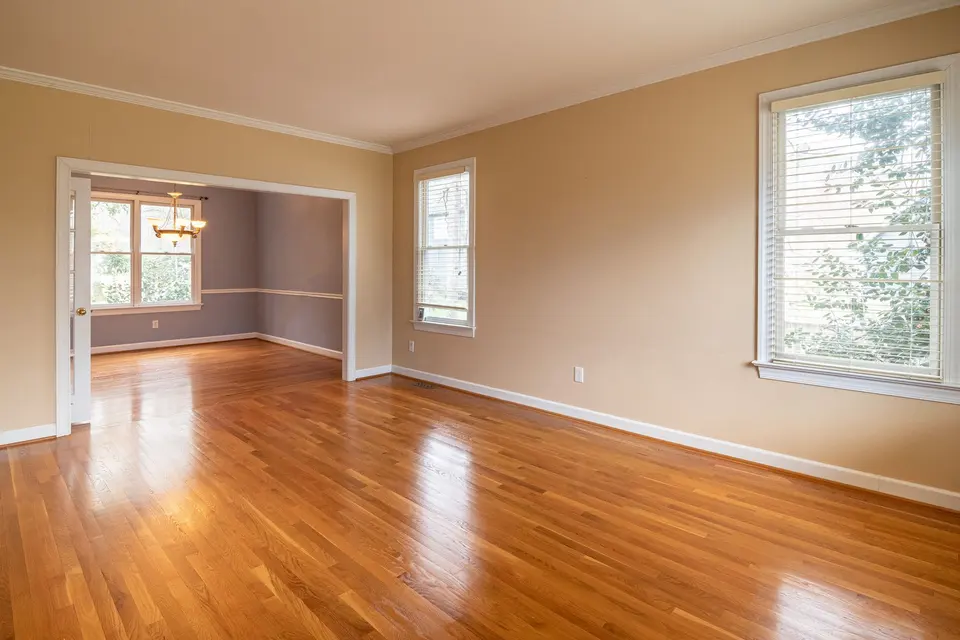
The last week of a lease is when most people find out how much an apartment can hold. The boxes are gone, the furniture is on the truck, and now there is a refrigerator to empty, an oven nobody has looked inside since the summer, and a property manager scheduled to walk through on Friday.
End-of-lease cleaning is how you close out that chapter and give yourself the best chance at your full deposit back. Here is what landlords look at, how to clean an apartment for move-out, what Texas law says about deposits in plain terms, and when it makes sense to hand the job to a professional.
What end-of-lease cleaning actually means
The usual standard in a lease is that you return the apartment in the same condition you received it, except for normal wear and tear. That does not mean brand new. It means clean, empty, and free of the buildup that comes from living there.
Two documents tell you what "clean" means for your unit:
- Your lease. Look for a cleaning section or a move-out clause. Some leases list specific items, like the oven, the blinds or carpet cleaning.
- Your move-in inspection report. This is the record of how the unit looked when you got it. Your landlord will likely compare against it.
Many apartment communities also hand out a move-out checklist a few weeks before your lease ends. If you got one, keep it next to you while you clean.
What landlords and property managers check
Every walk-through is different, but the same areas come up again and again. This table shows where to put your time.
| Area | What gets checked | What usually counts as wear and tear |
|---|---|---|
| Kitchen | Inside oven, stovetop, refrigerator, cabinets, sink | Worn countertop finish, faded cabinet paint |
| Bathrooms | Tub, shower, toilet, vanity, mirror, grout | Light discoloration of old grout |
| Floors | Carpet vacuumed, hard floors mopped, no debris | Traffic wear on carpet in walkways |
| Walls | Marks, holes, splashes near the stove | Faded paint, tiny nail holes in some leases |
| Blinds and windows | Dust on slats, sills and tracks | Sun-faded blinds |
| Closets and storage | Empty, shelves wiped, floors vacuumed | |
| Balcony or patio | Swept, no leftover items | Weathering of the surface |
Wear and tear rules vary by lease and by situation, so treat the right-hand column as a general guide, not a promise.
The spots renters miss most often
Even renters who clean carefully tend to miss the same handful of places, because they are out of sight during everyday life. Check these before the walk-through:
- Under and behind the stove and refrigerator. If the appliances can be moved safely, the floor and wall behind them often hold years of crumbs and grease.
- The oven drawer. The storage or broiler drawer under the oven collects grease and forgotten pans.
- Refrigerator door gaskets. The rubber seals trap spills and mildew in their folds.
- Exhaust fan covers. Bathroom and range hood fans gather a layer of dust and grease that is easy to see from below.
- Window tracks and sliding door tracks. North Texas dust collects in the channels, especially on balcony doors.
- The tops of door frames and cabinets. Landlords who know where to look will run a hand along them.
- Inside the dishwasher. Food bits around the filter and the door edge are common.
- Light fixtures. Dead insects inside glass covers stand out in an empty, bright room.
None of these take long on their own, but together they can be the difference between a clean that passes and one that draws a deduction.
How to clean an apartment for move-out, step by step
Clean after your belongings are out, not before. An empty apartment is faster to clean and easier to inspect.
- Start with the kitchen. Empty and wipe every cabinet and drawer. Clean inside the oven, the racks and the drawer underneath. Degrease the stovetop and range hood. Empty, wash and dry the refrigerator, including drawers and door bins.
- Move to the bathrooms. Scrub the tub, shower and tile, remove soap scum and hard water spots from glass and fixtures, clean the toilet inside and out including the base, and wipe the vanity inside and out.
- Work through each room top to bottom. Dust ceiling fans and light fixtures, wipe the tops of door frames, doors, switches and outlet covers, then windowsills and blinds.
- Spot-clean the walls. Remove scuffs and fingerprints gently. Flat paint can lighten if scrubbed hard, so test a small area first.
- Clean closets and storage. Wipe shelves, clear rods, vacuum the floors.
- Finish the floors last. Vacuum carpet edge to edge, then sweep and mop hard floors on your way out of each room.
- Do the balcony or patio and the entry. Sweep, wipe railings, take every last item.
- Take dated photos of every room, including the inside of the oven, the refrigerator and the bathrooms.
For a complete room-by-room list, use our move-out cleaning checklist.
Texas deposit basics, in plain terms
This is general information, not legal advice. For your exact situation, read the statute or ask a tenant resource or attorney.
- The refund deadline. Texas Property Code section 92.103 generally gives a landlord 30 days after you surrender the unit to refund your deposit, minus any lawful deductions.
- Itemized deductions. If money is kept, the landlord generally has to give you a written description and itemized list of the deductions. Normal wear and tear is not supposed to be charged to you.
- Your forwarding address. Give your landlord a forwarding address in writing. Texas law ties the refund obligation to having that address.
- Your lease controls the details. Specific cleaning requirements, carpet rules and move-out procedures come from your lease.
The practical takeaway is simple: a clean apartment, a written forwarding address and good photos put you in the strongest position.
End-of-lease cleaning in Irving, Dallas and Plano
Questions about end-of-lease cleaning come up most in apartment-heavy areas. Irving has a large share of apartment communities, many of them close to the job centers around Las Colinas and the airport, with people moving in and out year-round. Renters there often ask who does end-of-lease cleaning for apartments in Irving. We cover Irving along with Grand Prairie and Arlington; see our Irving, Grand Prairie and Arlington page.
In Dallas, many end-of-lease cleans are in mid-rise and high-rise buildings, where move-out times, freight elevators and parking for the cleaner can all need advance planning with the building. Our Dallas area page covers how we work there. Plano has many larger apartment communities with lease-end dates clustered at the end of the month, which makes booking ahead worthwhile. See our Plano area page.
Whatever the city, ask your apartment office early whether there are move-out rules for vendors: parking passes, gate codes, hours when contractors may work, or a requirement to reserve an elevator. A cleaner who arrives to a locked gate loses time you do not have on the last day of a lease.
Doing it yourself vs. hiring a cleaner
Some renters clean a small apartment themselves and do it well. Others decide the deposit, the time and the stress are worth handing off. Here is how to think about it.
Do it yourself if the apartment is small, you kept up with cleaning during the lease, you have a free day after moving out, and the oven and bathrooms are in good shape.
Hire a cleaner if:
- You are moving on a tight timeline and the keys are due right after the truck leaves
- The oven, bathroom grout or hard water spotting has built up
- Your lease lists specific cleaning requirements you do not have time to meet
- You are moving out of state and cannot be there for the final days
- You are cleaning a new place at the same time
If you hire someone, ask what their move-out scope includes, how they set the price and what their guarantee covers. Our guide on how to choose a move-out cleaning service lists the questions. If your timeline is short, read our guide to last-minute move-out cleaning. Moving into a new home the same week? See cleaning your old house and your new house on the same weekend.
How Texas Kings handles an end-of-lease clean
Our move-in and move-out cleaning service is built for renters handing back keys. Saida Reyes, the owner, asks about the size of the apartment, its condition and your lease's requirements, then sets the scope and the price herself before the day. Share your lease's move-out list or the community's checklist, and the clean is built around it.
We clean after you have moved out, so every cabinet and closet can be reached. We guarantee the quality of our work, so if something on the agreed scope was missed, call Saida directly. A quick walk-through before you turn in the keys lets you see the result yourself.
Hand back the keys with confidence
Tell us the size of your apartment, its condition and your lease end date, and Saida will give you a scope and a quote. Call 214-586-2075, or request a quote online.
Questions people ask next
Can my landlord charge me for cleaning if I left the apartment dirty?
Texas law lets a landlord deduct charges a tenant is legally responsible for under the lease, but not normal wear and tear. Excess dirt or grease beyond ordinary use is often treated as something a tenant can be charged for, depending on your lease. Read the cleaning section of your lease, and if a charge seems wrong, ask for the itemized list.
How long does a Texas landlord have to return my deposit?
Under Texas Property Code section 92.103, a landlord generally has 30 days after you surrender the unit to refund the deposit or provide a written, itemized list of deductions. Giving your forwarding address in writing matters too. For anything beyond the basics, check the statute or ask a tenant resource or attorney.
Do I need to shampoo the carpet when I move out?
Check your lease, because some leases address carpet cleaning directly and others do not. A move-out clean normally includes vacuuming carpet edge to edge, including closets. Shampooing or extraction is usually a separate service. If your lease requires professional carpet cleaning, keep the receipt with your move-out photos.
What is normal wear and tear in an apartment?
Normal wear and tear is the deterioration that comes from ordinary, everyday use: lightly worn carpet in walkways, faded paint, small scuffs, loose door handles. Grease built up inside the oven, a refrigerator left with spoiled food, or soap scum caked on the tub is usually not wear and tear; it is cleaning that was not done.
Should I be at the move-out inspection?
If your landlord or property manager allows it, yes. Walking the unit together lets you point out what was cleaned and hear any concerns right away, while you can still fix small things. If you cannot attend, your own dated photos of each room after cleaning are the next best record.